Learning Roadmap: An Adventure into Conversational Japanese
Welcome to your adventure map! Follow these phases step by step to start enjoying conversations with new friends in Japan.
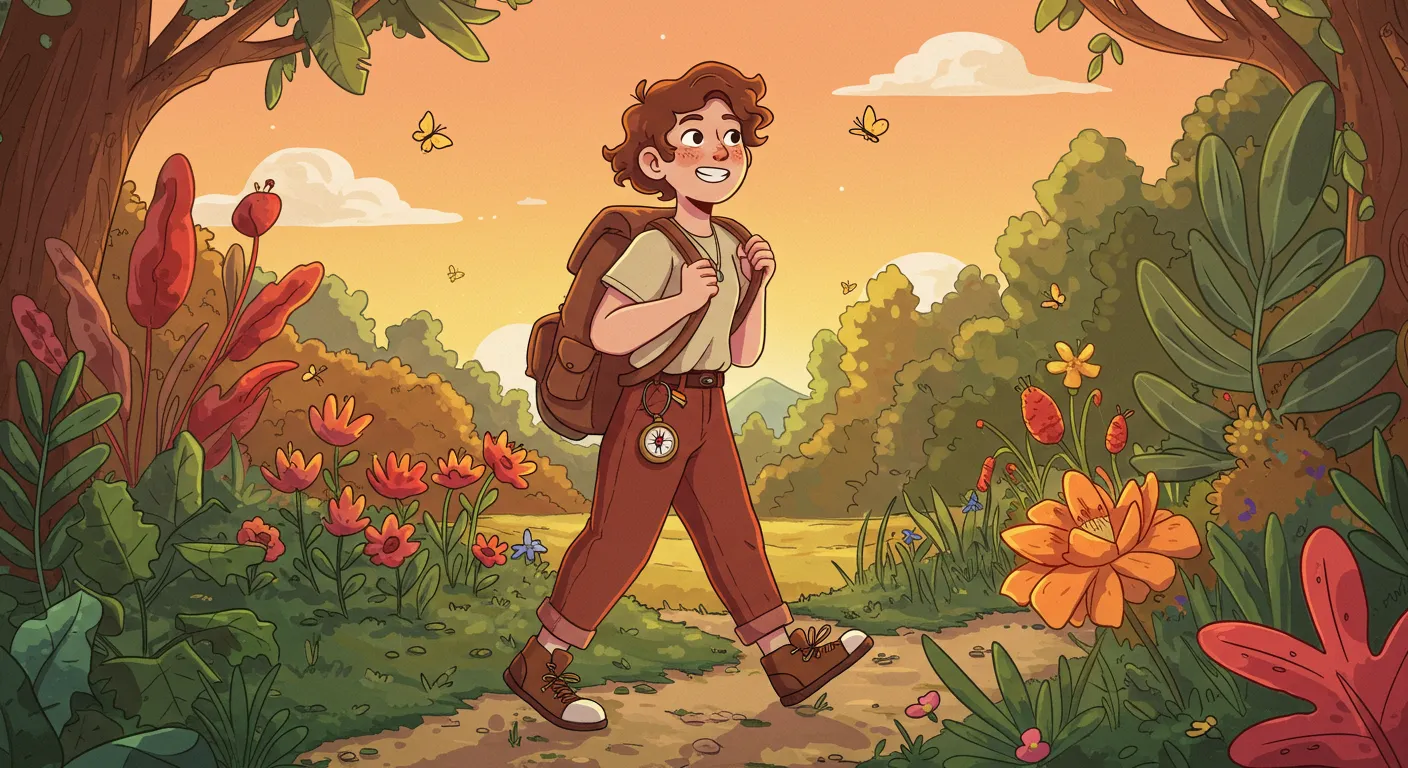
The "Three Principles" of this Adventure
To make the most of this map and truly become "speakable," first commit these three principles to heart. They will be the most important compass to keep you from getting lost and guide you to your goal.
1. Trust your head, not the dictionary.
"I can't speak because I don't know the words" is a trap. First, train yourself to make sentences, even if you have to force it, with the knowledge you currently have. The skill of trying to rephrase is what real conversational ability is.
2. Don't aim for perfect Japanese.
It's okay to say "犬が2個" (two dogs, with the wrong counter). It's 100 times better to try to communicate, even clumsily, than to stay silent for fear of making grammatical mistakes. The joy of "I was understood!" is what will help you grow.
3. Trust this map and don't stray from the path.
This roadmap is the final version, forged by repeatedly testing conversations and relentlessly eliminating every non-essential pattern. It is the shortest route because every lesson is proven necessary for "speaking." Trust this carefully adjusted path and see it through to the end. You will acquire the most powerful weapon of all: the fundamentals.
Phase 1: Basic Sentences
【Theme: Giving a Name to the World Around You】
Everything starts here. You'll first learn to talk about "yourself" and the "objects in front of you." Let's start by sketching out your world in Japanese.
What you'll be able to do:
- Confidently introduce yourself: "My name is Anna".
- Point to what you see, explaining what it is and where it is.
- Express simple impressions and feelings: "This sushi is delicious!".
Phase 1: Basic Sentences
【Theme: Giving a Name to the World Around You】
What you'll be able to do:
- Confidently introduce yourself: "My name is Anna".
- Point to what you see, explaining what it is and where it is.
- Express simple impressions and feelings: "This sushi is delicious!".
Phase 1: Basic Sentences
Lesson watashi-wa-desu
How to Say "I am" in Japanese: Self-Introduction Basics (Watashi wa ... desu)
Lesson kore-wa-desu
How to Say "This is" in Japanese: Naming Objects (Kore wa ... desu)
Lesson sore-wa-desu
How to Say "That is" in Japanese: Pointing at Things (Sore wa ... desu)
Lesson are-wa-desu
How to Say "That over there is" in Japanese: Distant Objects (Are wa ... desu)
Lesson arimasu
How to Say "There is" in Japanese: Inanimate Objects (Arimasu)
Lesson imasu
How to Say "There is" in Japanese: People & Animals (Imasu)
Lesson i-adjectives
How to Use I-Adjectives in Japanese: Describing Things
Lesson na-adjectives
How to Use Na-Adjectives in Japanese: Describing Things
Lesson suki-kirai
How to Say "I Like" & "I Dislike" in Japanese: Expressing Preferences (Suki / Kirai)
Phase 2: Basic Questions
【Theme: Asking the World a "?"】
The next step is to gain the "skill of asking" about what you don't know yet. By simply adding the magic word "ka" (か), you will instantly expand your world.
What you'll be able to do:
- Ask your first question to get to know someone: "What is your name?".
- Ask for directions to get to your destination.
- Ask about the owner of an item: "Whose bag is this?".
Phase 2: Basic Questions
【Theme: Asking the World a "?"】
What you'll be able to do:
- Ask your first question to get to know someone: "What is your name?".
- Ask for directions to get to your destination.
- Ask about the owner of an item: "Whose bag is this?".
Phase 2: Basic Questions
Lesson desu-ka
How to Ask Yes/No Questions in Japanese: Basic Inquiries (... desu ka)
Lesson nan-desu-ka
How to Ask "What is this?" in Japanese: Asking About Things (Nan desu ka)
Lesson doko-desu-ka
How to Ask "Where is...?" in Japanese: Finding Locations (Doko desu ka)
Lesson dare-desu-ka
How to Ask "Who?" in Japanese: Identifying People (Dare desu ka)
Lesson itsu
How to Ask "When?" in Japanese: Inquiring About Time (Itsu)
Lesson shimashita
How to Talk About the Past in Japanese: Past Tense Verbs (... shimashita)
Lesson doushite
How to Ask "Why?" in Japanese: Finding Reasons (Doushite)
Lesson douyatte
How to Ask "How?" in Japanese: Methods & Ways (Douyatte)
Lesson dono-kurai
How to Ask "How Much" & "How Long" in Japanese: Quantity & Duration (Dono kurai)
Phase 3: Intentions and Interaction
【Theme: Expressing Your "Wants" and Building Relationships】
This is the most exciting part. You'll start expressing your "intentions" and actively interacting with other people. Your words will begin to influence the real world.
What you'll be able to do:
- Talk about your desires: "I want to eat ramen".
- Confidently order in a store: "This one, please".
- Invite someone on a date or to a gathering.
Phase 3: Intentions and Interaction
【Theme: Expressing Your "Wants" and Building Relationships】
What you'll be able to do:
- Talk about your desires: "I want to eat ramen".
- Confidently order in a store: "This one, please".
- Invite someone on a date or to a gathering.
Phase 3: Intentions and Interaction
Lesson hoshii
How to Say "I Want" in Japanese: Desiring Objects (Hoshii)
Lesson shitai
How to Say "I Want to Do" in Japanese: Expressing Desires (... shitai)
Lesson kudasai
How to Order in Japanese: Asking for Things (Kudasai)
Lesson te-kudasai
How to Say "Please Do" in Japanese: Polite Requests (...-te kudasai)
Lesson naide-kudasai
How to Say "Please Don't" in Japanese: Polite Prohibitions (...-naide kudasai)
Lesson te-mo-ii-desu-ka
How to Ask "May I?" in Japanese: Asking Permission (...-te mo ii desu ka)
Lesson mashou
How to Say "Let's" in Japanese: Suggesting Actions (...-mashou)
Lesson masen-ka
How to Say "Would You Like to" in Japanese: Polite Invitations (...-masen ka)
Phase 4: Expressions with Verb Conjugations
【Theme: Vividly Describing Actions and States】
By slightly changing a verb, you'll be able to speak freely about what you are doing "now" or about your past "experiences."
What you'll be able to do:
- Report on actions in real-time: "I am listening to music now".
- Make your self-introduction more interesting by talking about experiences.
- Talk about your skills: "I can speak a little Japanese".
Phase 4: Expressions with Verb Conjugations
【Theme: Vividly Describing Actions and States】
What you'll be able to do:
- Report on actions in real-time: "I am listening to music now".
- Make your self-introduction more interesting by talking about experiences.
- Talk about your skills: "I can speak a little Japanese".
Phase 4: Expressions with Verb Conjugations
Lesson ageru
How to Say "I Give" in Japanese: Giving Gifts (Ageru)
Lesson kureru
How to Say "They Give Me" in Japanese: Receiving Favors (Kureru)
Lesson morau
How to Say "I Receive" in Japanese: Getting Things (Morau)
Lesson koto-ga-dekimasu
How to Say "I Can" in Japanese: Expressing Ability (...koto ga dekimasu)
Lesson rareru
How to Express Potential in Japanese: Natural "Can Do" Form (...rareru)
Lesson te-imasu
How to Say "I am Doing" in Japanese: Present Continuous (...-te imasu)
Lesson te-masu
How to Connect Actions in Japanese: Listing Events Sequentially (...-te, ...-masu)
Lesson ta-koto-ga-arimasu
How to Talk About Past Experiences in Japanese (...-ta koto ga arimasu)
Phase 5: Complex Sentences
【Theme: Logically Structuring Your "Thoughts"】
You will learn to connect simple sentences to express your "opinion" and explain "why you think so." The time has come to convey your deeper, inner thoughts.
What you'll be able to do:
- Express complex impressions: "Japanese is difficult, but very interesting".
- Give your actions more weight by adding a reason.
- Make comparisons and clearly state your preferences.
Phase 5: Complex Sentences
【Theme: Logically Structuring Your "Thoughts"】
What you'll be able to do:
- Express complex impressions: "Japanese is difficult, but very interesting".
- Give your actions more weight by adding a reason.
- Make comparisons and clearly state your preferences.
Phase 5: Complex Sentences
Lesson node
How to Say "Because" in Japanese: Explaining Reasons (...node)
Lesson desu-ga
How to Say "But" in Japanese: Connecting Contrasting Ideas (...desu ga)
Lesson yori-no-hou-ga
How to Say "More Than" in Japanese: Comparing Two Things (...yori ...no hou ga)
Lesson ga-ichiban
How to Say "The Most" in Japanese: Superlative Comparisons (...ga ichiban)
Lesson to-omoimasu
How to Say "I Think" in Japanese: Expressing Opinions (...to omoimasu)
Phase 6: Natural Conversation
【Theme: Putting "Soul" into Your Words and Going from Robot to Human】
You will put "soul" into the words you've learned and achieve warm, emotional communication. Here lies the true joy of conversation.
What you'll be able to do:
- Share your excitement with someone: "It's truly beautiful, isn't it?".
- Give a natural compliment that will please the other person.
- Find common ground on shared topics.
Phase 6: Natural Conversation
【Theme: Putting "Soul" into Your Words and Going from Robot to Human】
What you'll be able to do:
- Share your excitement with someone: "It's truly beautiful, isn't it?".
- Give a natural compliment that will please the other person.
- Find common ground on shared topics.